
Ten home repairs you shouldn't ignore
a practical guide to spotting small problems before they become expensive or dangerous.
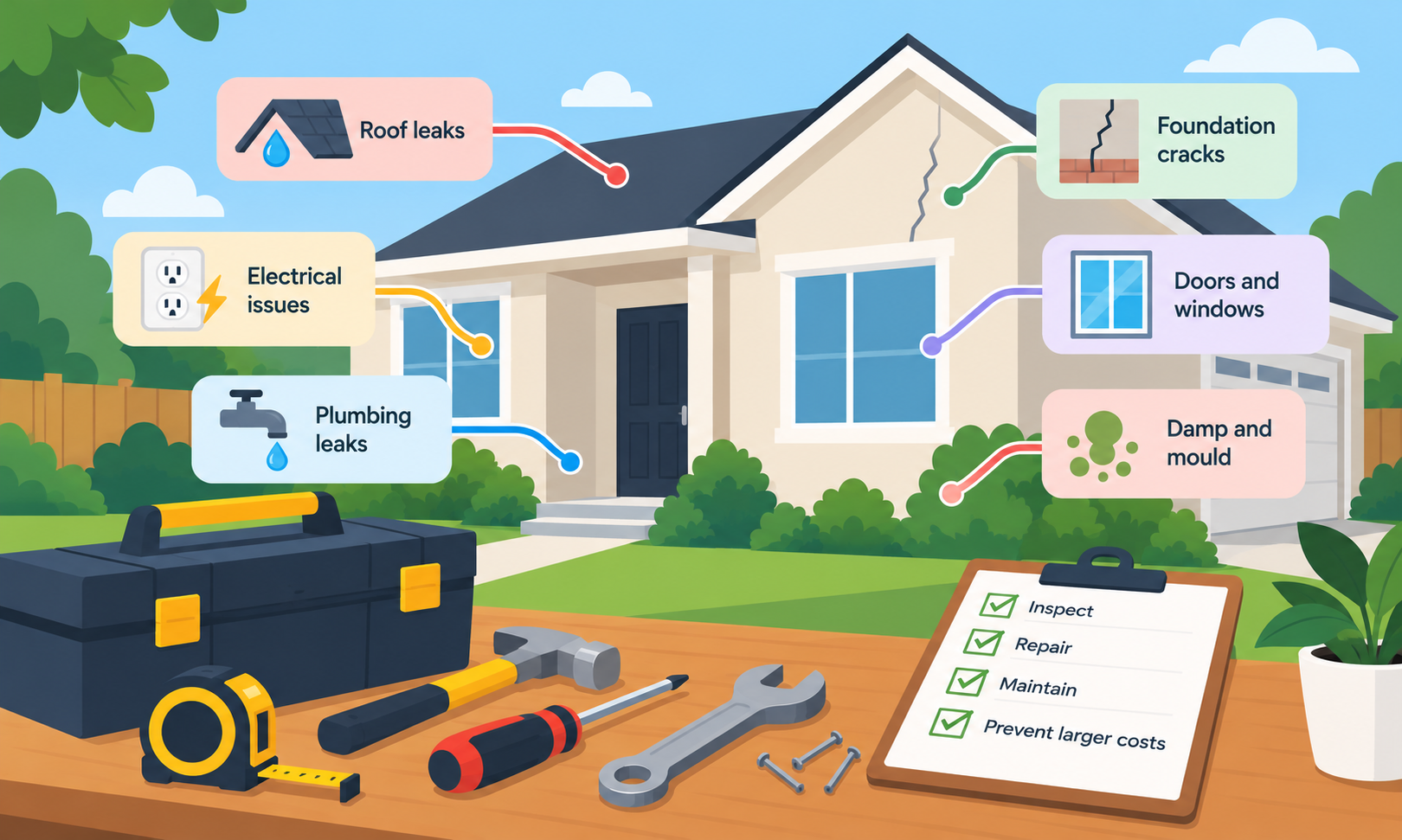
A small water stain appears on the ceiling. One electrical outlet feels unusually warm. A crack in the wall seems a little bigger than it was last month.
It's tempting to ignore these things, especially when everything else in the house appears to be working.
But homes rarely fail without warning.
Many expensive repairs begin as smaller problems that go unnoticed or untreated. Water slowly damages timber. A blocked gutter directs rain toward the foundation. A loose electrical connection overheats behind a wall.
Not every crack is serious, and not every strange sound means something is about to break. The challenge is knowing which warning signs deserve immediate attention and which can be monitored.
This guide covers ten home repairs that shouldn't be ignored, what the symptoms might mean, and when to call a professional.
Key rule: Fix problems that threaten safety, allow water into the building or cause damage to spread before spending money on cosmetic improvements.
First, know what counts as urgent
Not every repair needs to happen immediately.
A loose cabinet handle can wait. A suspected gas leak cannot.
Before starting your maintenance list, divide problems into three priorities.
Emergency repairs
These involve an immediate risk to people or property.
Examples include:
Suspected gas leaks.
Sparking or smoking electrical wiring.
Serious uncontrolled flooding.
Immediate structural danger.
Suspected carbon monoxide exposure.
Fire or other life-threatening hazards.
Leave dangerous areas and contact emergency services or appropriately qualified responders.
Don't attempt repairs that would expose you to serious danger.
Urgent repairs
These problems may not present an immediate life-threatening emergency, but delaying them can cause significant damage or create unsafe conditions.
Examples include:
Active roof leaks.
Sewage backups.
Significant water damage.
Serious plumbing leaks.
Essential heating failure during severe cold.
Rapidly worsening damp or structural problems.
Arrange prompt professional assessment or repair.
Planned repairs
These are smaller problems that usually don't require immediate action but should still be addressed.
Examples include:
Minor dripping taps.
Worn weatherstripping.
Loose trim.
Damaged paint.
Minor cabinet hardware problems.
Small cosmetic defects.
Schedule maintenance before the problems become more expensive.
These categories are guides, not universal rules. A seemingly minor issue can become urgent if it affects safety, essential services or vulnerable occupants.
Safety note: If you smell gas, leave the area without operating switches, electrical devices or flames. Contact the gas emergency provider or local emergency services from a safe location.
1. A roof leak, even a small one
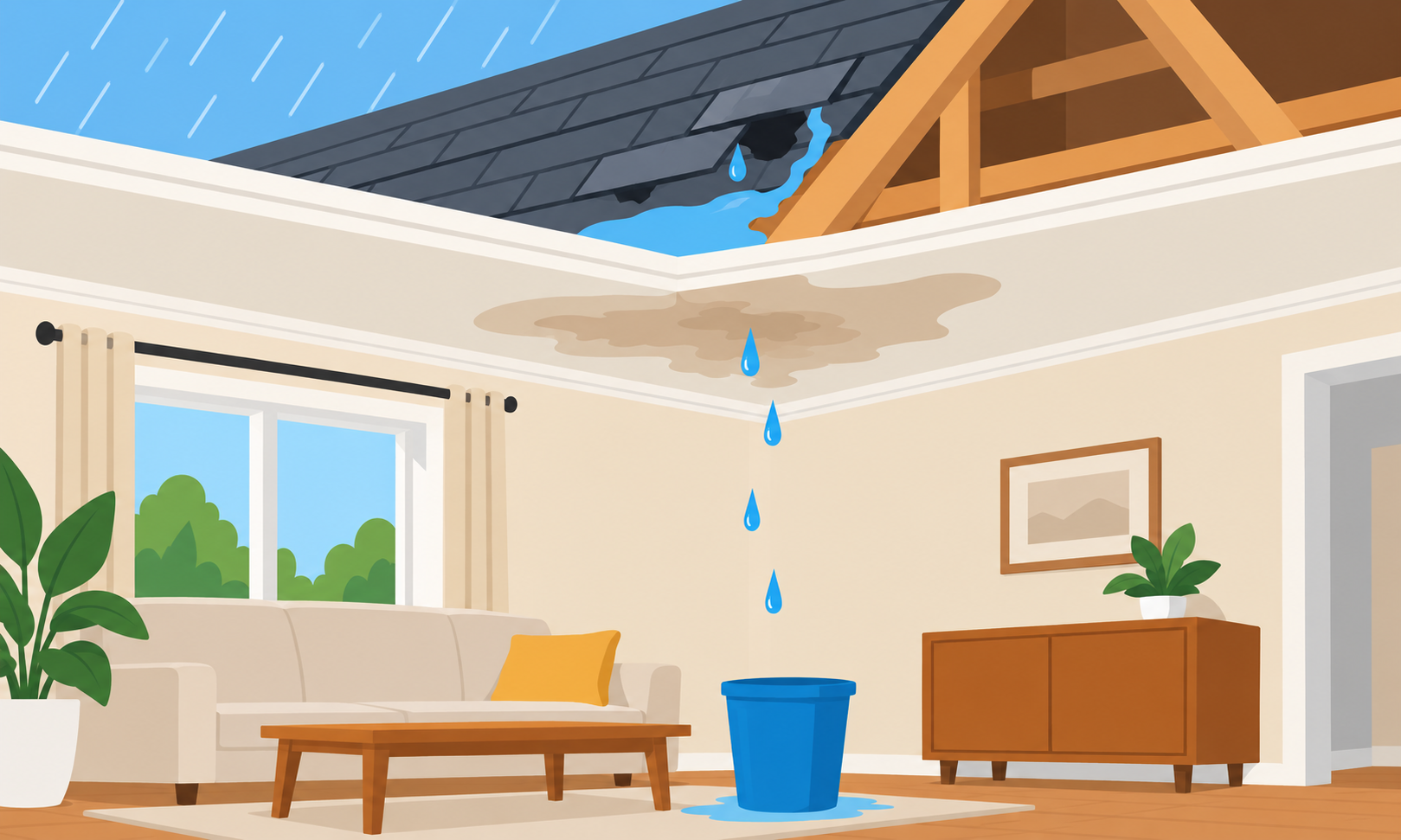
A stain on the ceiling may look like a cosmetic problem.
But if water is entering through the roof, the visible stain could be only a small part of the damage.
Water can travel along rafters, insulation and other building materials before appearing on an interior surface.
By the time a stain becomes visible, materials above it may already be wet.
Warning signs
Look for:
Brown or yellow ceiling stains.
Peeling paint near the roofline.
Damp insulation in accessible attic spaces.
Water dripping during or after rainfall.
Missing or damaged roof coverings.
Damaged flashing around roof penetrations.
Musty smells in upper rooms.
Why it matters
Persistent roof leaks can damage insulation, ceiling finishes, timber and electrical equipment.
Wet materials can also support mould growth.
The longer water enters, the more extensive the repair may become.
What to do
First, protect people and belongings from active water intrusion where it is safe to do so.
If water is near electrical fixtures, avoid touching affected equipment and seek qualified assistance.
Arrange an inspection of the roof covering, flashing, drainage and surrounding components.
Don't assume the leak is directly above the stain.
Avoid climbing onto wet or damaged roofs.
Priority: Urgent when active water is entering; emergency if electrical or structural hazards are present.
2. An electrical outlet that feels hot or smells strange
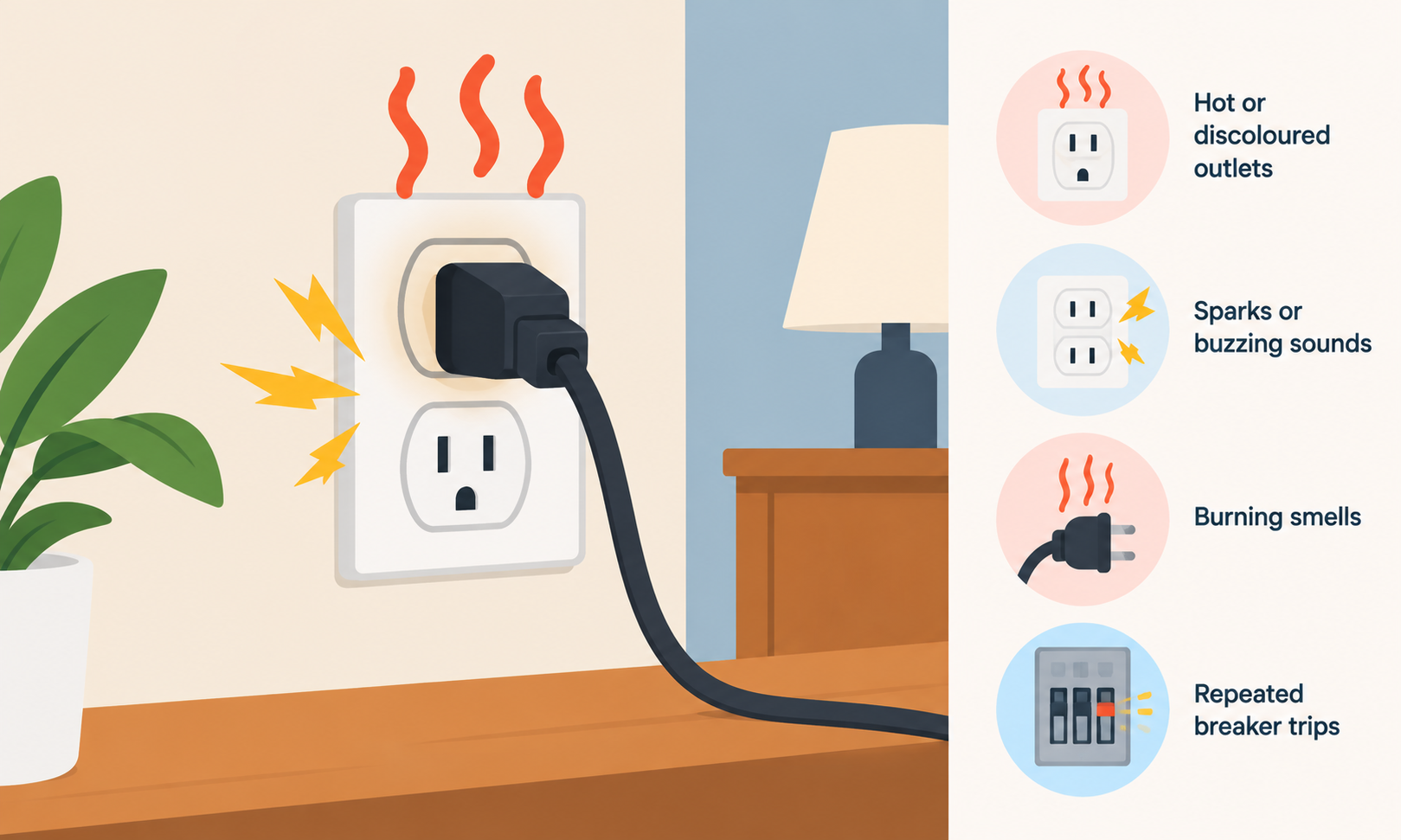
Electrical faults deserve more caution than ordinary cosmetic repairs.
An outlet that becomes hot, produces sparks or smells of burning may indicate a dangerous connection, overload or damaged component.
A circuit breaker that trips repeatedly can also signal an underlying problem.
Warning signs
Hot or discoloured outlets.
Buzzing or crackling sounds.
Burning or melting-plastic smells.
Sparks from switches or sockets.
Repeated breaker trips.
Lights dimming unexpectedly when appliances start.
A tingling or shock sensation when touching equipment.
Some appliances generate heat during normal operation, but the wall outlet itself should not become dangerously hot.
Why it matters
Damaged wiring and poor electrical connections can cause overheating, shocks and fires.
Repeatedly resetting a breaker without investigating the cause may allow a dangerous condition to continue.
What to do
Stop using suspect equipment.
If there is smoke, active arcing, fire or immediate danger, leave the area and contact emergency services.
Have a qualified electrician inspect the installation.
Don't open an electrical panel or dismantle wiring unless you're qualified and authorized to perform the work.
Replacing a fuse or installing a larger breaker is not a substitute for diagnosing the problem.
Priority: Emergency for active sparking, smoke, fire or shock hazards; otherwise urgent professional inspection.
3. A slow plumbing leak
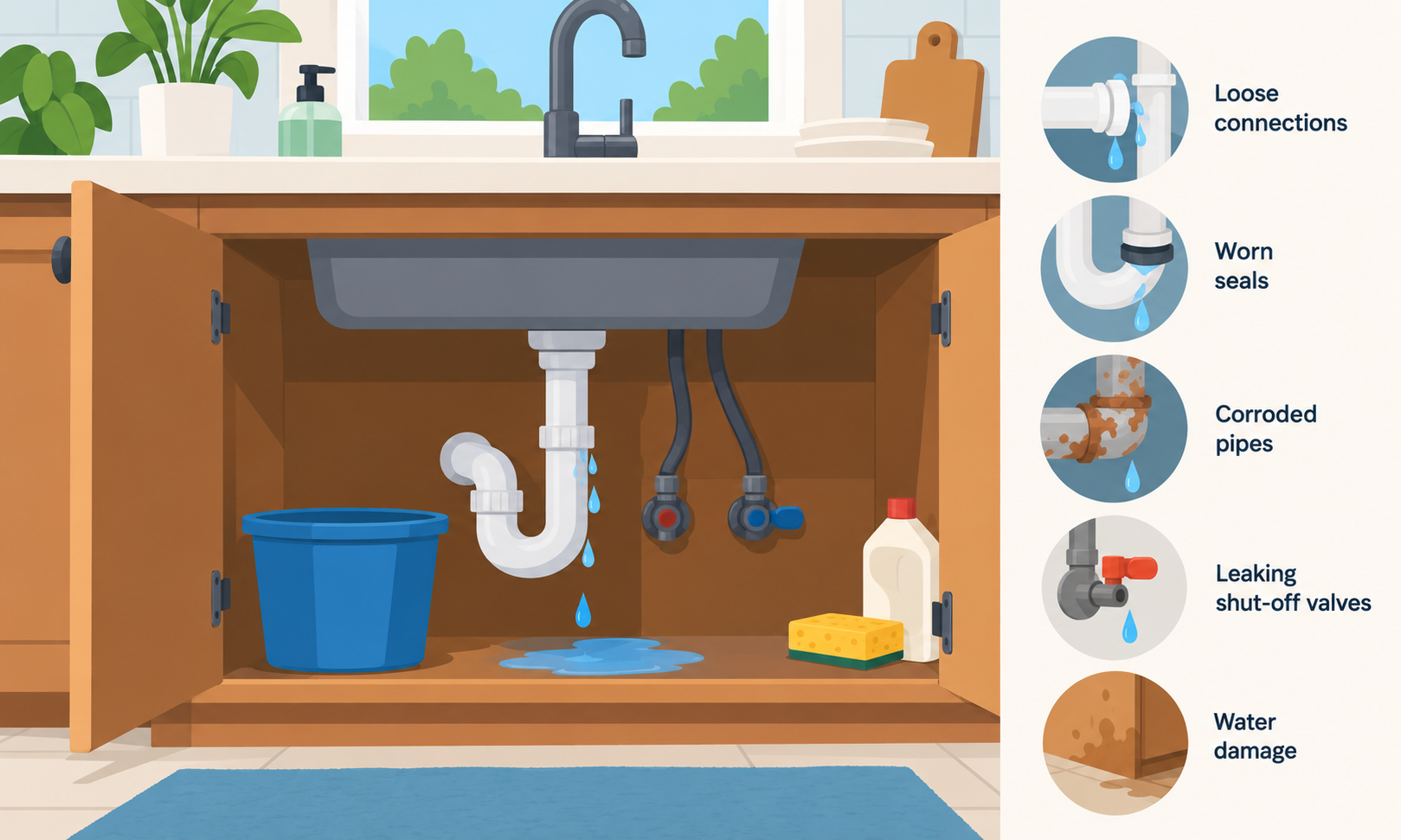
A dripping pipe under the kitchen sink may not seem expensive.
But small leaks can continue for weeks or months.
Over time, water can damage cabinets, flooring, walls and materials concealed behind them.
Warning signs
Dampness beneath sinks.
Swollen or warped cabinets.
Persistent moisture around toilets.
Unexplained water stains.
Mould near plumbing.
Unusual increases in water consumption.
Water pressure falling unexpectedly.
Some leaks are intermittent, appearing only when an appliance or fixture is used.
Others occur inside walls or beneath flooring.
Why it matters
A small plumbing repair can become a much larger project if surrounding materials need to be removed and replaced.
Persistent moisture can also cause mould growth.
What to do
Locate the affected area without dismantling unsafe or inaccessible components.
If a supply pipe is leaking significantly, shut off the appropriate water supply if it is safe and accessible.
Arrange a plumbing repair.
After the leak is stopped, check whether cabinets, flooring or wall materials need drying or replacement.
Don't paint over water stains or install new flooring until the moisture problem has been resolved.
Priority: Urgent for active or concealed leaks; emergency for uncontrolled flooding.
4. Gutters that overflow when it rains
Gutters aren't particularly exciting to maintain.
But they perform an important job: moving rainwater away from the building.
When gutters are blocked, damaged or incorrectly directed, rainwater can overflow onto walls and collect near foundations.
Warning signs
Water spilling over gutter edges.
Plants growing inside gutters.
Sagging or detached sections.
Damp marks beneath the roofline.
Water collecting near exterior walls.
Erosion or damaged soil around downspouts.
Why it matters
Poor rainwater drainage can contribute to water penetration, damaged exterior finishes and moisture problems around the foundation.
In freezing climates, blocked drainage may contribute to ice-related damage.
What to do
Inspect gutters from a safe position during or after rainfall.
Arrange cleaning and repair where necessary.
Confirm that downspouts discharge water appropriately away from the building.
Avoid working at height without suitable equipment and training.
Gutter guards may reduce some debris accumulation, but they don't eliminate the need for inspection.
Priority: Planned maintenance, becoming urgent when overflow causes active water intrusion.
5. Cracks that keep getting bigger
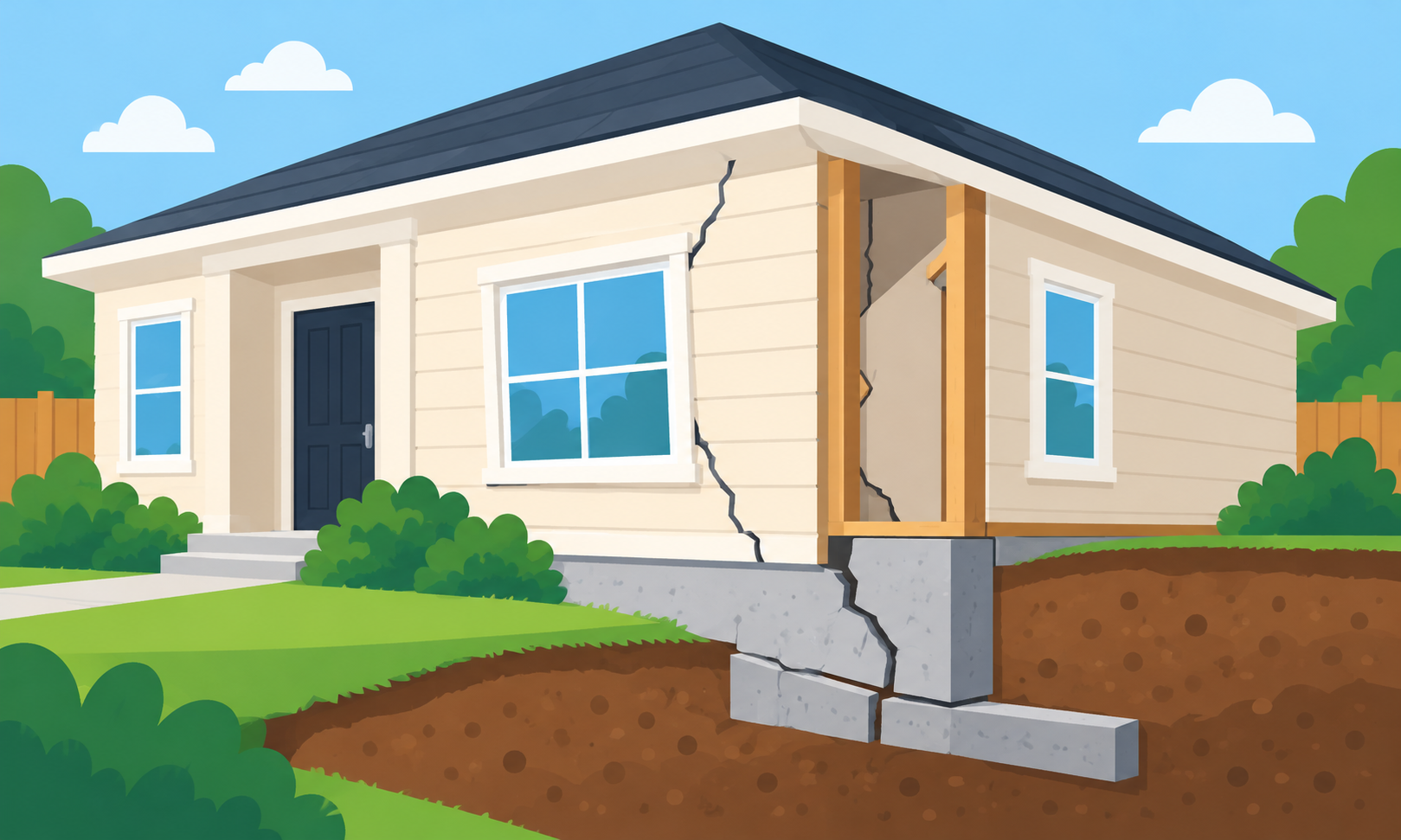
Cracks are common in buildings.
Small surface cracks may result from drying materials, ordinary movement or changes in temperature.
Others can indicate structural movement.
The difficult part is distinguishing harmless surface deterioration from a developing structural problem.
Warning signs
Take particular notice of:
Cracks that visibly widen over time.
Large diagonal or stair-step cracks in masonry.
New cracks accompanied by sticking doors or windows.
Uneven or sagging floors.
Bulging walls.
Significant changes around structural openings.
Separations between building components.
A crack's position, pattern and rate of change often matter more than its appearance alone.
Why it matters
Structural movement can result from several causes, including soil changes, foundation problems, deteriorating materials and unsuitable alterations.
Some causes require substantial investigation.
Simply filling a crack may hide evidence without addressing the underlying issue.
What to do
Photograph the crack with a ruler or other measurement reference.
Record the date and monitor whether its dimensions change.
If there are signs of movement, distortion or other concerning structural symptoms, arrange an assessment by a qualified structural engineer or building professional.
If there is sudden, severe movement or an immediate collapse risk, evacuate the affected area.
Priority: Urgent for progressive or significant structural symptoms; emergency for immediate instability.
6. Damp patches and mould that return
A patch of mould behind furniture is easy to dismiss as a cleaning problem.
But mould commonly returns when the underlying moisture remains.
Possible causes include condensation, leaks, inadequate ventilation, cold surfaces or exterior water penetration.
Warning signs
Recurring mould.
Musty smells.
Peeling paint.
Persistent condensation.
Damp patches that worsen after rainfall.
Moisture behind furniture.
Staining on ceilings or walls.
Why it matters
Persistent moisture can damage interior finishes and building materials.
Damp and mouldy environments can also contribute to respiratory symptoms and aggravate certain existing health conditions.
What to do
Identify the moisture source.
For condensation problems, investigate humidity, ventilation and cold surfaces.
For leaks, repair the source of water entry.
Small areas of surface mould may sometimes be cleaned using appropriate precautions, but extensive or hidden contamination may require professional remediation.
Don't simply paint over mould.
The US Environmental Protection Agency advises drying water-damaged materials promptly, ideally within 24 to 48 hours where possible, to reduce the risk of mould growth.
Priority: Urgent for significant water damage, extensive growth or vulnerable occupants; otherwise investigate promptly.
7. Doors and windows that suddenly stop closing properly
A door that sticks occasionally because of seasonal humidity may not indicate a major problem.
But sudden or progressive changes deserve attention.
Doors and windows can become difficult to operate because of swollen timber, damaged hardware, frame movement or structural changes.
Warning signs
Windows that suddenly become difficult to open.
Doors scraping against floors.
New gaps around frames.
Frames visibly out of alignment.
Water entering around openings.
Cracks appearing near door or window corners.
Why it matters
A misaligned door may be a simple adjustment issue.
But it can also be associated with moisture damage, foundation movement or deteriorating framing.
Windows that no longer close properly may allow unwanted air and water into the home.
What to do
Inspect hinges, locks, weatherstripping and visible frames.
Look for swelling or water damage.
If several doors and windows change alignment at the same time, particularly alongside cracks or uneven floors, seek a structural assessment.
Don't force damaged windows or make substantial adjustments before understanding the cause.
Priority: Planned for ordinary hardware issues; urgent when associated with structural movement, security risks or water penetration.
8. A heating or cooling system behaving strangely
Heating and cooling systems often show warning signs before complete failure.
Ignoring poor performance may increase running costs and allow faults to worsen.
Warning signs
Unusual rattling, grinding or squealing.
Weak airflow.
Unexpected shutdowns.
Repeatedly tripped breakers.
Water leaking around equipment.
Rooms becoming unusually hot or cold.
Strong or unfamiliar odours.
Equipment running continuously without reaching the intended temperature.
A temporary change in operation doesn't necessarily indicate failure, but persistent symptoms deserve investigation.
Why it matters
Poor performance can result from blocked filters, damaged fans, drainage problems, control faults or more serious mechanical issues.
For combustion appliances, ventilation and exhaust problems can create carbon monoxide hazards.
Carbon monoxide has no reliable smell.
What to do
Follow the manufacturer's safe maintenance instructions, including accessible filter cleaning or replacement.
Arrange professional servicing for persistent faults.
Don't bypass safety controls or repeatedly restart equipment that shuts down unexpectedly.
If a carbon monoxide alarm activates or you suspect combustion-gas exposure, leave the building and contact emergency services from outside.
Priority: Urgent for persistent faults; emergency for suspected carbon monoxide exposure, fire or other immediate danger.
9. Damaged bathroom waterproofing
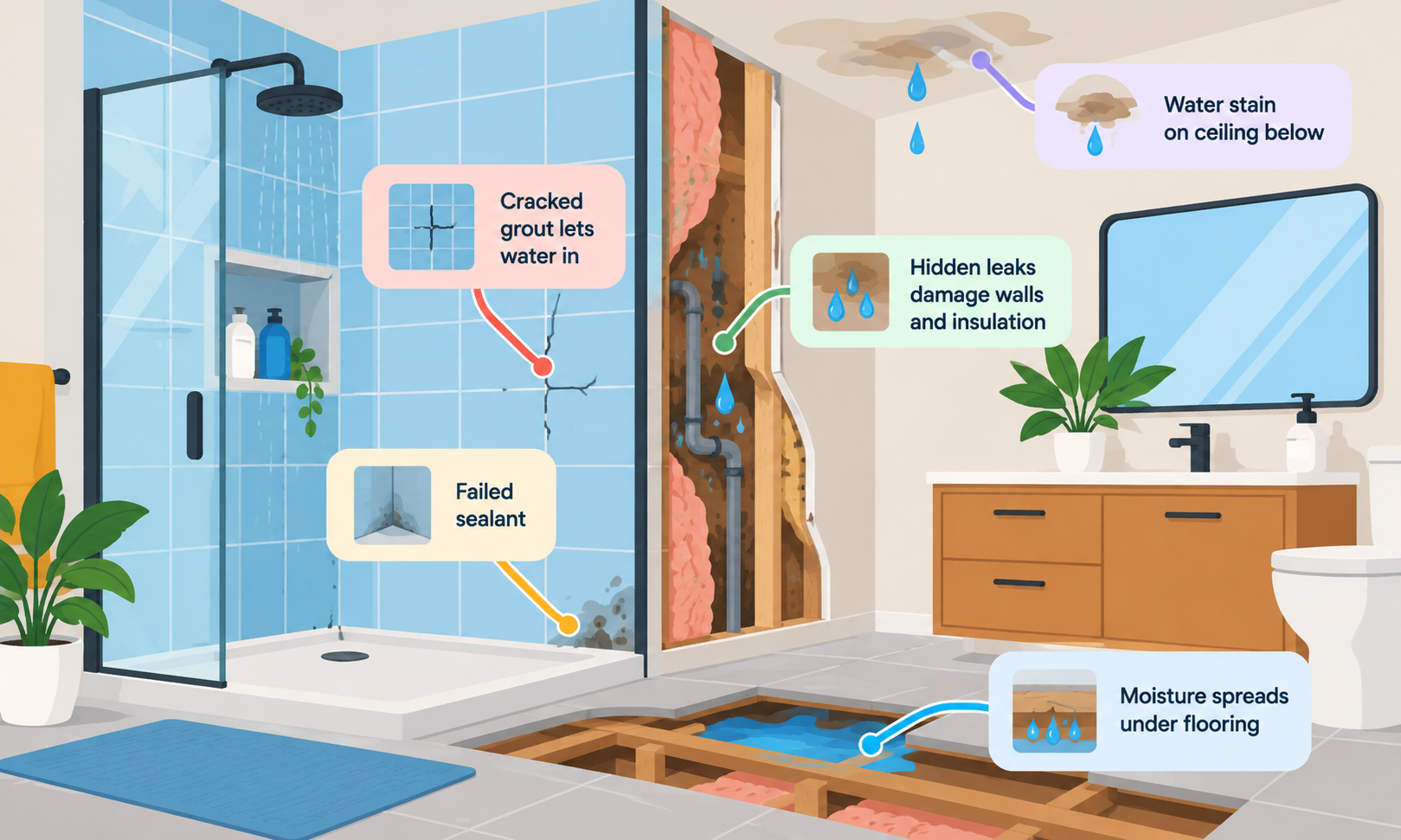
Bathrooms regularly deal with water, but that doesn't mean every surface can safely remain wet.
Waterproofing around showers, baths and other wet areas prevents moisture from reaching vulnerable materials behind the visible finishes.
Cracked grout or failed sealant can be a warning sign, but not all water intrusion comes from these surfaces.
Warning signs
Loose shower tiles.
Crumbling or missing grout.
Failed flexible sealant.
Swollen skirting or baseboards.
Damp flooring beside a shower.
Stains on the ceiling below a bathroom.
Persistent musty smells near wet areas.
Why it matters
Water entering behind finishes can damage wallboard, subfloors, timber and adjoining rooms.
A bathroom may look acceptable while concealed materials deteriorate.
What to do
Inspect visible joints and finishes regularly.
Replace deteriorated sealant where appropriate, using suitable products and preparation methods.
However, don't assume new sealant will repair a failed waterproofing membrane or concealed plumbing leak.
Recurring or extensive moisture requires proper investigation.
When rebuilding a shower, use a waterproofing system appropriate to the construction method and local requirements.
Priority: Urgent when water is entering concealed materials or neighbouring rooms.
10. Trees, roots and drainage problems near the house
Trees can improve shade, comfort and the appearance of a property.
But branches, roots and poor drainage can sometimes create maintenance problems.
A tree growing close to the house isn't automatically dangerous.
The concern is whether its condition or location creates a specific risk.
Warning signs
Dead or hanging branches above occupied areas.
Trees leaning suddenly or showing ground movement.
Roots visibly damaging paving or drainage structures.
Repeatedly blocked underground drains.
Water collecting against the foundation.
Branches damaging roof coverings or gutters.
Why it matters
Falling branches can injure people or damage buildings.
Blocked drainage can cause backups and moisture problems.
Tree roots may exploit existing defects in certain drainage pipes, but root presence alone doesn't prove structural foundation damage.
What to do
Inspect the property from ground level.
Arrange professional assessment for large, damaged or potentially unstable trees.
Have recurring drainage blockages investigated rather than repeatedly clearing them without identifying the cause.
Don't cut major roots or remove large trees without appropriate advice. Uncontrolled removal can create safety, drainage or soil-related problems.
Priority: Emergency for an imminent falling-tree risk; urgent for active drainage backups or property damage.
How to decide which repair comes first
If your home has several problems, trying to repair everything immediately may be financially unrealistic.
Prioritize the work in this order.
First: Immediate safety hazards
Deal with gas leaks, electrical hazards, fire risks, carbon monoxide warnings and immediate structural danger.
These problems can threaten lives and should take precedence over everything else.
Second: Active water damage
Address roof leaks, burst pipes, flooding, sewage backups and water entering the building.
Water can damage several parts of a home at once, and delaying repairs may increase the amount of work required.
Third: Problems that are getting worse
Investigate expanding cracks, persistent damp, deteriorating materials and failing essential systems.
These problems may become more expensive or dangerous over time.
Fourth: Security and essential functions
Repair broken locks, unusable doors and failures affecting essential heating, water or sanitation.
The urgency depends on the situation, weather and people living in the home.
Fifth: Preventive maintenance
Clean gutters, replace damaged seals, maintain equipment and correct minor drainage issues.
Preventive work can reduce the likelihood of larger problems developing.
Sixth: Cosmetic improvements
Finally, address paint, decorative trim and minor appearance issues.
These improvements make a home more pleasant but generally shouldn't take priority over safety or active damage.
The principle is simple: protect the building before decorating it.
Should you repair or replace?
Not every faulty component needs complete replacement.
Sometimes a small repair can extend its useful life.
Other times, repeated repairs become more expensive than replacement.
Consider four questions:
Is the component safe to continue using?
Can the underlying cause be corrected reliably?
How much useful life is reasonably left?
What is the full cost of repairing versus replacing it?
For example, repairing a loose window handle may be straightforward.
Replacing an entire window solely because of the handle may be unnecessary.
But repeatedly repairing a severely deteriorated window frame could be poor value.
Ask contractors to explain why they recommend replacement and what alternatives are available.
Keep a home maintenance record
One of the easiest ways to manage repairs is to keep a simple record.
You don't need specialized software.
A notebook, spreadsheet or folder can work.
For every problem, record the following information.
What went wrong
Describe the problem clearly.
For example: "Water stain near the bedroom window."
When you first noticed it
Write down the date.
This helps establish whether the problem is new or has been developing over time.
How the condition has changed
Note whether the issue is getting worse or appears under specific conditions.
For example: "The stain becomes larger after heavy rainfall."
Photographs and other evidence
Take dated photographs where practical.
For changing cracks, include a ruler or other reference to help show scale.
What action was taken
Record inspections, repair requests and work completed.
Who completed the work
Keep the contractor's name, contact information and relevant documentation.
What happened afterward
Record whether the problem was resolved and whether follow-up is necessary.
For example: "Roof flashing repaired. Check after the next heavy rainfall."
Keep invoices, inspection reports, warranties and maintenance instructions together.
These records may also be useful when selling the property or dealing with insurance.
When to do it yourself and when to call a professional
Some maintenance jobs are suitable for a careful homeowner.
Examples may include replacing accessible weatherstripping, cleaning appropriate filters, tightening loose cabinet handles and checking for visible leaks.
But other tasks require specialist skills.
Use appropriately qualified professionals for work involving:
Fixed electrical installations.
Gas appliances and gas piping.
Significant structural modifications.
Major roofing work at height.
Complex plumbing or drainage faults.
Extensive mould remediation.
Dangerous trees.
Hazardous materials.
Building regulations, permits and licensing requirements vary by location.
Don't take on a dangerous job simply because a tutorial makes it look easy.
A simple monthly home inspection
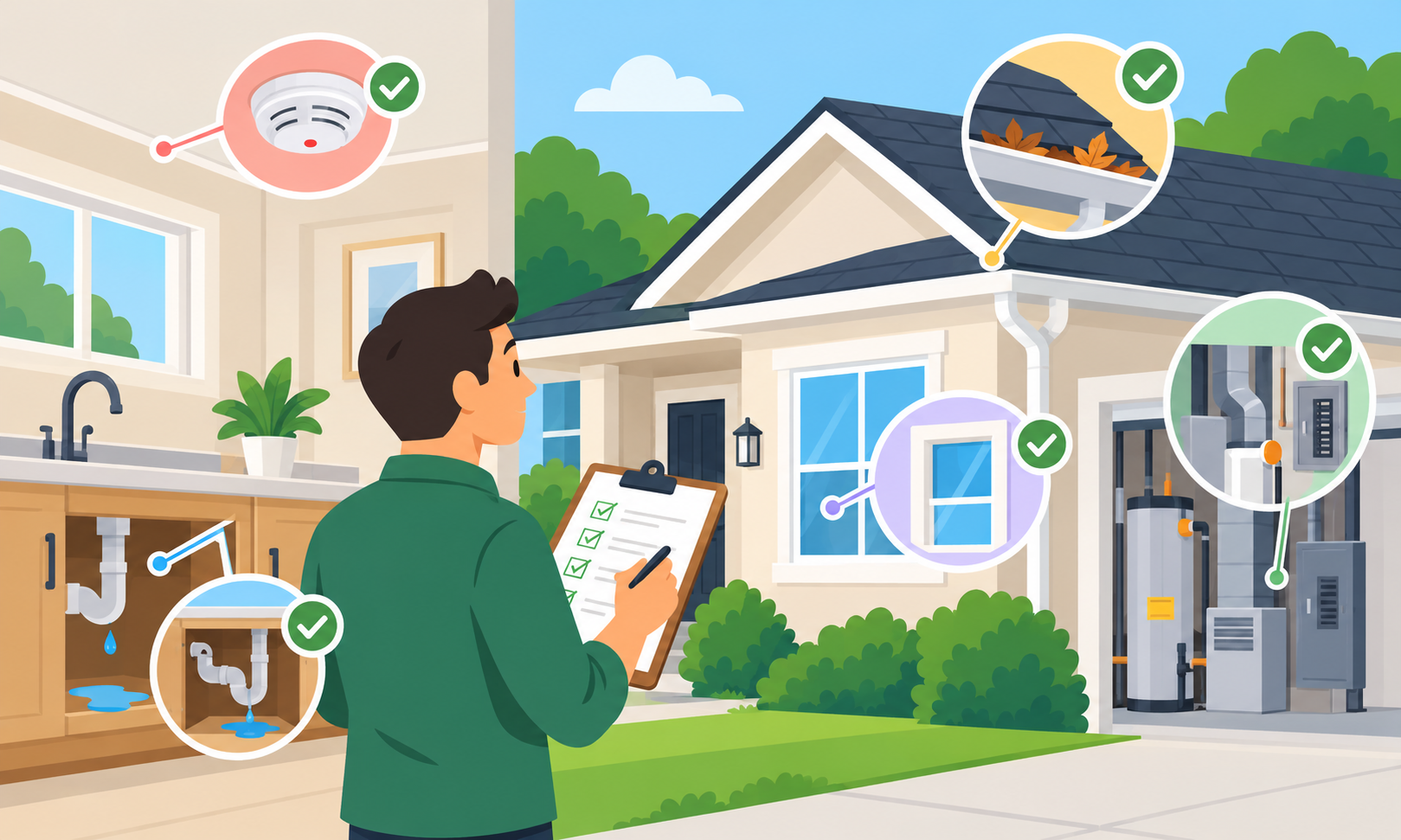
You don't need to wait for something to break before checking the house.
A short monthly inspection can help identify developing problems.
Walk through the property and look for changes.
Inside the home
Check beneath sinks and around toilets for leaks.
Look for new stains, condensation or mould.
Notice whether doors and windows operate normally.
Listen for unusual appliance or ventilation noises.
Check safety alarms according to their manufacturers' instructions.
Outside the home
Look for damaged roof coverings from a safe ground-level position.
Check visible gutters and downspouts.
Look for water collecting near walls.
Notice damaged exterior finishes, loose materials or concerning tree branches.
After severe weather
Inspect accessible areas for leaks, drainage failures or visible damage.
Avoid entering flooded electrical areas or unstable structures.
Photograph any new problems and arrange appropriate repairs.
Tip: Set aside a regular day each month for basic maintenance checks. A short inspection can help you notice changes before they become major repairs.
Common home maintenance mistakes to avoid
Painting over water stains. The source of moisture may still be active.
Ignoring repeated breaker trips. A protective device may be warning of an electrical problem.
Waiting until a leak becomes obvious. Hidden water damage can spread.
Assuming every crack is cosmetic. Progressive structural symptoms need assessment.
Cleaning mould without fixing moisture. Growth can return.
Replacing parts without diagnosing the fault. The problem may persist.
Choosing the cheapest quote without comparing scope. Important work may be excluded.
Attempting unsafe roof or electrical repairs. Professional help is often the safer choice.
Ignoring maintenance records. Recurring failures become harder to track.
Spending the repair budget on decoration first. Essential maintenance protects the building.
Frequently asked questions
What home repairs should I prioritize?
Start with immediate safety hazards, active leaks, serious structural problems and failing essential systems. Cosmetic issues can generally wait until the property is safe and protected from further damage.
Is a small ceiling stain serious?
It may indicate a roof or plumbing leak. Even a small stain deserves investigation, especially if it grows or appears after rainfall.
Are hairline wall cracks dangerous?
Many are minor, but their location, pattern and changes over time matter. Expanding cracks or cracks accompanied by movement should be assessed by a qualified professional.
Should I replace an outlet that feels warm?
Stop using it and arrange an electrical inspection. The problem may involve the outlet, wiring, connections or connected equipment.
How quickly should I fix a water leak?
As soon as practical. Active flooding requires immediate action. Promptly drying affected materials helps reduce secondary damage and mould risk.
Can clogged gutters damage foundations?
Poor gutter drainage can contribute to water collecting near the foundation. Whether it causes structural damage depends on soil, drainage, construction and other conditions.
Does mould always mean there's a leak?
No. Mould can develop because of condensation or excessive indoor humidity as well as leaks. The moisture source needs to be identified.
Should I repair an old appliance or buy a new one?
Compare repair costs, safety, reliability, energy use and remaining expected life. Replacement isn't automatically the best financial decision.
Can I inspect my own roof?
You can look for visible problems from a safe location. Climbing onto roofs creates fall risks and may require professional equipment and training.
How much should I save for home repairs?
There is no universally correct amount. The required reserve depends on the property's age, condition, systems, climate and replacement costs. A property-specific maintenance plan is more useful than assuming one percentage works for every home.
How often should I inspect my house?
A brief monthly check, plus inspections after significant weather events, is a reasonable routine. Follow the relevant maintenance schedules for individual systems and materials.
The quick home repair checklist
Check for active roof and plumbing leaks.
Investigate new ceiling or wall stains.
Stop using electrical outlets showing signs of overheating.
Arrange professional help for recurring breaker trips.
Inspect gutters and downspouts.
Look for water collecting near foundations.
Monitor cracks that grow or change.
Check doors and windows for unusual movement.
Investigate recurring condensation and mould.
Look for damaged bathroom waterproofing.
Maintain heating, cooling and ventilation equipment.
Respond appropriately to gas or carbon monoxide warnings.
Check visible drainage problems.
Inspect trees for obvious hazards.
Photograph damage before repairs.
Compare contractor quotes and repair scopes.
Save inspection reports and warranties.
Maintain a fund for unexpected repairs.
Prioritize safety and active damage before decoration.
Repeat basic home inspections regularly.
Sources and further reading
Home maintenance requirements vary according to building age, climate, materials and local regulations. These resources provide additional guidance on safety and preventing property damage.
US Environmental Protection Agency — A Brief Guide to Mold, Moisture and Your Home — water damage, mould prevention and moisture control.
Electrical Safety Foundation International — Home Electrical Safety — warning signs of overloaded or unsafe electrical systems.
Electrical Safety Foundation International — Home Wiring Safety Tips — recognising possible wiring hazards.
US Pipeline and Hazardous Materials Safety Administration — Gas Leak Recognition and Response — recognising suspected gas leaks and responding safely.
Local building authorities and qualified building inspectors — construction requirements, inspections and structural concerns.
Equipment manufacturers — servicing schedules and maintenance instructions.
Note: This article provides general home maintenance information, not engineering, electrical, gas, legal or professional building advice. Warning signs can have different causes, and the correct repair depends on the specific property. If you suspect a gas leak, fire, electrical danger, carbon monoxide exposure or imminent structural failure, leave the affected area and contact appropriate emergency services.
Keep reading
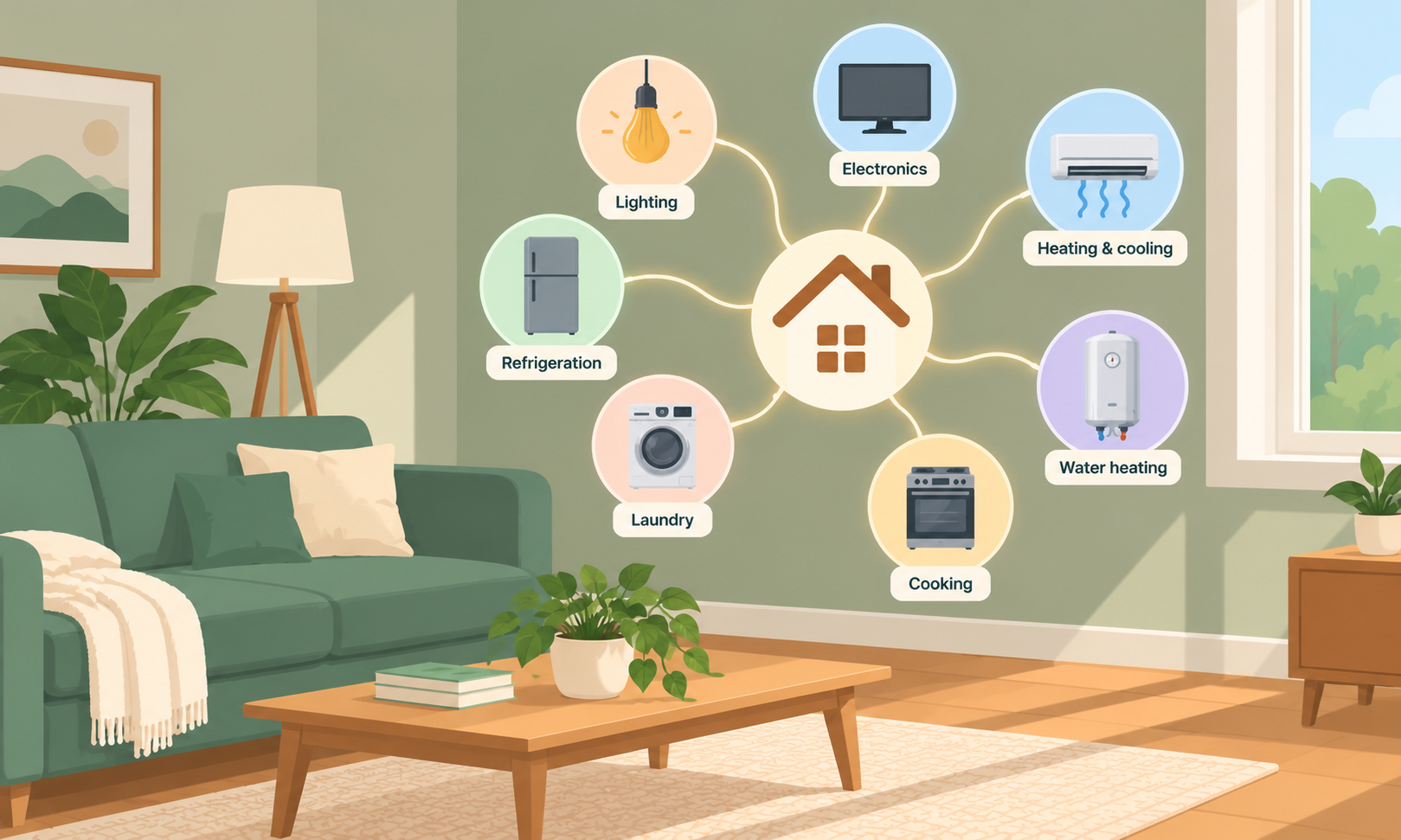
Why your electricity bill is so high, and how to lower it.
Discover why your electricity bill is high, which appliances use the most power, and practical ways to reduce energy costs at home.

Why your home feels damp (and how to fix it
Condensation, mould and common mistakes.
RenovatingRenovate in the right order or pay twice
Why the boring work always comes first.