
What to look for on a house viewing: a 15-minute checklist
A 15-minute viewing-day routine for US home buyers: what to check, what to ask the seller, and the red flags that staging can hide.
Viewings are short and emotional. You walk in, the lights are on, the house smells like fresh cookies, and within five minutes you've decided whether you love it. A routine keeps you honest. This one takes about fifteen minutes, needs no special tools, and helps you spot the problems that staging, fresh paint and good lighting are designed to hide.
A viewing isn't a home inspection. It can't tell you what's inside the walls, and it doesn't replace hiring a licensed inspector once your offer is accepted. What it can do is help you decide whether a house deserves an offer at all, and which questions to ask before you make one.
Before you go
A little preparation makes the fifteen minutes count.
Look up the basics. Check the age of the house, the lot size, the tax history and any HOA fees. Listings often leave out the costs that affect your monthly budget.
Check the flood risk. Search the address on FEMA's flood map service. Flood insurance can change what a home really costs.
Bring a short kit. A phone flashlight, a phone charger or a cheap outlet tester, a tape measure and a notepad are enough.
Take photos and video. Most agents are fine with this, but ask first. You'll forget details by the third house of the day.
Don't go alone if you can help it. A second person notices different things, and can ask the awkward questions.
Tip: Write down your three non-negotiables before you leave home. Staged rooms are good at making people forget them.
Start outside, before you go in

Spend the first few minutes outside. Much of the expensive trouble in a house starts with water and the structure around it.
Roof. Look for missing, curling or cracked shingles, sagging lines and moss. Asphalt shingle roofs commonly last somewhere around 20 to 30 years, so ask how old this one is.
Gutters and drainage. Gutters should be attached and clear, and the ground should slope away from the house. Pooling water near the foundation is a warning sign.
Foundation and walls. Hairline cracks are common. Wide, stair-step or widening cracks, or doors that don't close properly inside, deserve a closer look from a professional.
Trees. Large trees close to the house can threaten the roof, the foundation and the sewer line.
Driveway, steps and fences. These are cheap to fix on their own, but they show how well the owners looked after everything else.
Walk through with your senses
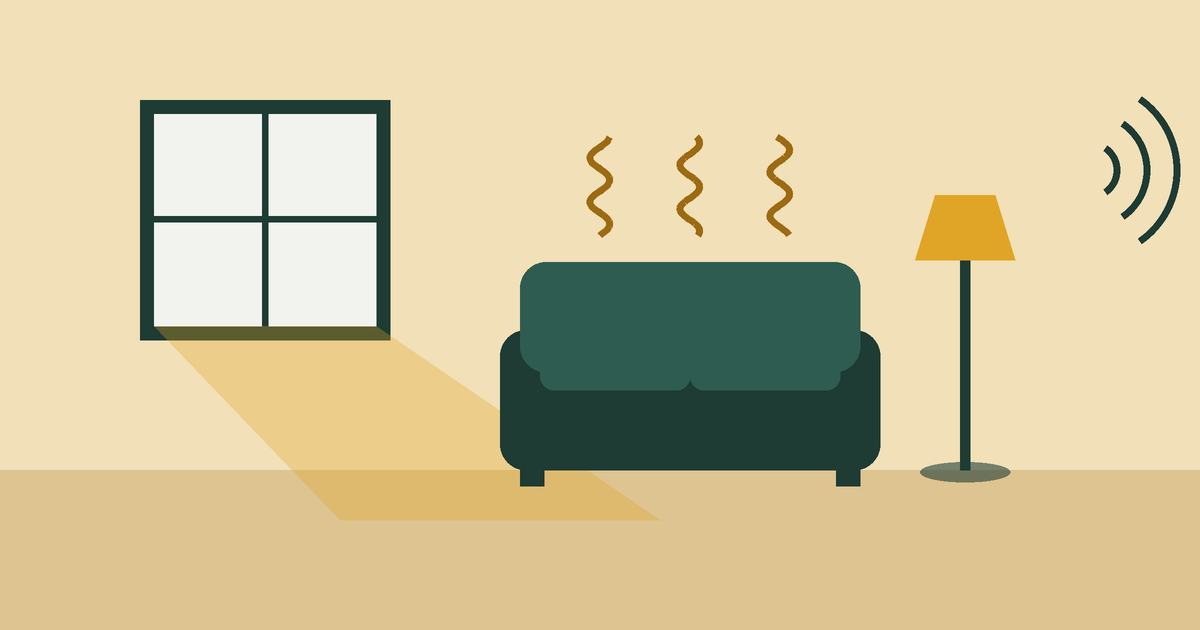
Once inside, slow down and use more than your eyes.
Smell. Musty, damp or heavily perfumed rooms can be hiding moisture or smoke. Strong air fresheners and plug-in scents are a signal to look harder.
Sound. Stand quietly for a minute in the main living area and the main bedroom. Can you hear traffic, a neighbor, a highway, a furnace rattling?
Light. Turn on every light and check each switch. Then look at how the natural light falls, and imagine it at a different time of day.
Touch. Open and close the doors and windows. Press on the floor and notice any bounce or softness, especially near bathrooms and kitchens.
The room-by-room routine
Kitchen
Run the tap and check the pressure, then look under the sink for stains, warping or a damp smell. Open the cabinets and drawers, and check the dishwasher, oven and fridge if they're included. Look at the ceiling below any upstairs bathroom for a stain.
Bathrooms
Flush the toilet and watch how it drains. Run the shower and the sinks at the same time if you can, and see whether the pressure drops. Look for soft spots around the tub, cracked or missing grout, and black or green growth in corners. A fresh coat of paint on a bathroom ceiling or wall can hide a past leak.
Walls and ceilings
Look up. Yellow or brown rings, bubbling paint and fresh patches on the ceiling are all worth asking about. New paint on just one section of a wall or ceiling is a classic cover-up.
Windows and doors
Check that windows open, close and lock. Look for fogged glass between double-pane windows, which means the seal has failed, and for cold drafts around the frames.
Outlets and electrical
Plug a charger or tester into outlets in each room. Outlets near sinks, in bathrooms and outdoors should have GFCI protection, with the small test and reset buttons. Ask to see the main electrical panel. Some older panel brands, such as Federal Pacific and Zinsco, are widely flagged by inspectors as safety concerns, and older homes may have outdated wiring.
Heating, cooling and the water heater
Find the furnace, the air conditioner and the water heater, and look at the labels. Ask how old they are. Tank water heaters often last around 8 to 12 years, and many heating and cooling systems around 15 to 20, so a system near the end of its life is a cost you should factor into your offer. Turn the heat and the cooling on and make sure each one actually runs.
Basement, crawl space or attic
If you can get in, look for water lines on the walls, white powdery deposits, rust on the water heater or furnace, and any smell of dampness. In the attic, look for stained wood, missing insulation and signs of pests.
Spot the red flags

Some things are fixable and some deserve a serious conversation before you go further.
Water damage or active leaks, especially if no one can explain them.
A strong smell of mildew, smoke or pets that doesn't go away when you open a window.
Uneven floors, sticking doors and wide cracks, which can point to foundation movement.
Old or DIY electrical and plumbing, such as exposed wiring, extension cords used as permanent fixtures, or mismatched pipes.
Fresh paint in only one spot, or a new floor in only one room, with no explanation.
Signs of pests, like droppings, chewed wires or small holes.
An older home built before 1978. Sellers of homes that old must disclose known lead-based paint, and it's worth asking about.
Cosmetic problems, such as dated kitchens, worn carpet or ugly paint, are usually cheap to fix, and they can be a way to get a better price. Structural, water and system problems are the ones that cost real money.
Check the neighborhood, too
You're buying the surroundings as well as the house. If possible, come back at another time of day, such as a weekday morning rush or a weekend evening, and look at traffic, parking, noise and who is around. Walk the block, and check how far you are from the things you use every day. A short test commute is worth doing.
Questions to ask the agent or seller

Ask politely and write down the answers. Some may only be available through the agent, which is normal.
How long has the house been on the market, and have there been any price changes?
Why are the owners selling?
How old are the roof, the heating and cooling system and the water heater?
Have there been any leaks, floods, pest problems or insurance claims?
What are the typical monthly utility bills?
Are there HOA fees or special assessments, and what do they cover?
Which items are included in the sale, such as appliances and window coverings?
Is there a seller's disclosure form? Requirements vary by state, so ask to see it before you make an offer.
Tip: Pay attention to how freely the answers come. A seller who is open about problems is often a good sign.
What to do right after the viewing
Write down your impressions in the car. Do it straight away, before the next house blurs it. Note what you liked, what worried you and what you want to check again.
Review your photos and notes that evening, and compare them with your non-negotiables.
Estimate the real cost. Add up the repairs and upgrades you noticed, then use the mortgage calculator to see what the monthly payment would look like. If you're still working out how much you need saved, read our guide to how much down payment you really need.
Book a second viewing if you're serious. Go at a different time, and ask someone with building experience to come with you.
Make an offer with an inspection contingency. Hire a licensed inspector once your offer is accepted, and have them look at everything you flagged.
Frequently asked questions
How long should a viewing take? Fifteen minutes is enough for a first look, but give yourself more time if you're serious. A second visit, possibly an hour long, is normal before an offer.
Can I open cupboards and test things? Yes, within reason. Opening doors, running taps and turning on lights is expected. Don't move personal belongings or open anything that is clearly private, and ask if you're unsure.
Should I hire an inspector before I make an offer? Most buyers do the inspection after an offer is accepted, with an inspection contingency that lets them renegotiate or walk away. In a slow market, some buyers also pay for an inspection before making an offer on a home they really want.
Do I need to bring my agent? It helps. An agent knows the local market, can spot unusual issues and can ask questions you might not think of. Not all viewings need an agent, but you'll want one by the time you make an offer.
Quick viewing-day checklist
Check the roof, gutters, drainage and foundation from outside.
Smell, listen and look for water stains and fresh patches.
Run taps, flush toilets, and test lights and outlets.
Look at the furnace, air conditioner, water heater and electrical panel, and ask their ages.
Open windows and doors, and check floors for softness.
Look in the basement, crawl space or attic if you can.
Walk the neighborhood, and plan to revisit at a different time.
Ask the questions above, and write down the answers.
Take photos, and make your notes in the car.
Note: This article is general information, not legal, financial or professional inspection advice. A viewing can't replace a licensed home inspection, and laws about disclosures and inspections vary by state. Speak to a licensed real estate agent, attorney or inspector about your situation.
Keep reading

How much down payment do you really need to buy a house in the US?
You don't need 20 percent down. Compare conventional, FHA, VA and USDA down payments, what each costs, and how to choose the right one.
BuyingFixed or variable? How to choose your mortgage rate
The trade between certainty and flexibility.

Energy upgrades that pay for themselves, ranked by payback
Which home energy upgrades actually save money? A US guide to air sealing, insulation, heat pumps, windows and solar, ranked by how fast they pay back.