
Energy upgrades that pay for themselves, ranked by payback
Which home energy upgrades actually save money? A US guide to air sealing, insulation, heat pumps, windows and solar, ranked by how fast they pay back.
The cheapest energy is the energy you never use. That sounds like a slogan, but it's also the most reliable rule in home improvement: the upgrades that stop energy from escaping usually pay back faster than the ones that produce or burn it more cleanly.
The trouble is that the upgrades people notice first, such as new windows or solar panels, are often the slowest to pay for themselves. This guide ranks the common ones by how quickly they tend to return your money, explains why, and shows how to work out the numbers for your own house.
How to think about payback
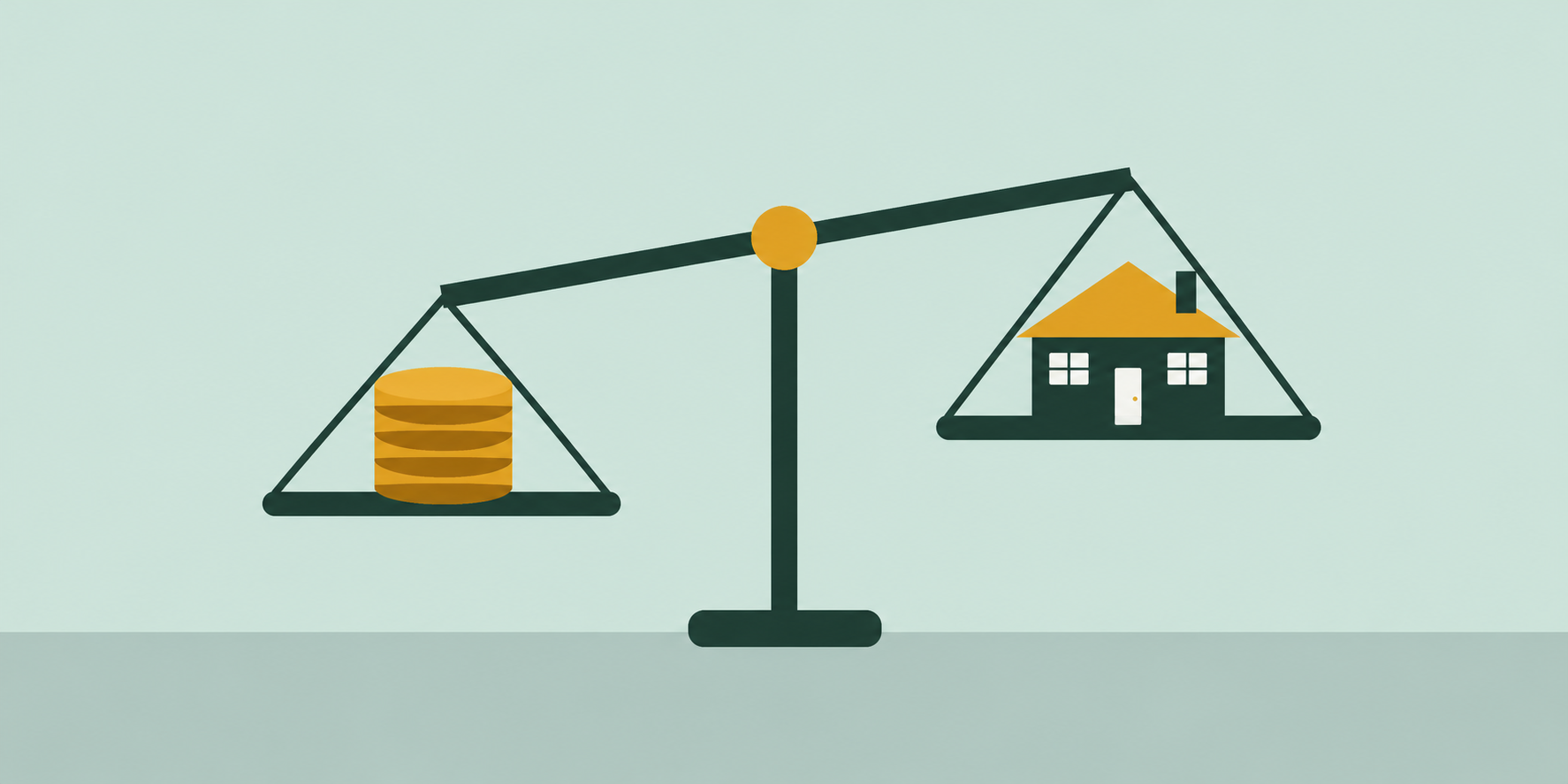
The simplest measure is simple payback: what the upgrade costs, divided by what it saves you each year.
Here's an example with made-up numbers. Adding attic insulation costs $2,500 and saves $300 a year on heating and cooling. That's a payback of about eight years, and the insulation keeps working for decades after. New windows cost $15,000 and save $250 a year in energy. That's a payback of 60 years, which is longer than the windows will last.
Three things change the result a lot:
Your climate. Upgrades that cut heating bills pay back faster in cold places, and cooling-focused upgrades pay back faster in hot ones.
Your energy prices. Electricity, natural gas, oil and propane cost different amounts in different states, so the same upgrade can be a bargain in one place and a poor deal in another.
Your house. A drafty, under-insulated house has more to gain than one that's already tight.
Simple payback also ignores comfort, quieter rooms, better air quality and possible resale appeal. Those are real benefits, but treat them as extras, not as the reason the numbers work.
Tip: Always get at least three written quotes, and ask each contractor to estimate the yearly savings and how they calculated it. Be wary of any estimate that promises to eliminate your bills.
Start with an energy audit
Before you spend a dollar, find out where your house actually loses energy. A home energy audit looks at insulation, air leaks, heating and cooling equipment, ducts and appliances, and then ranks the fixes for your specific home.
Check your utility first. Many utilities and state energy offices offer free or discounted audits, and some require one before they'll give you a rebate.
Look for a professional audit, which often includes a blower door test (it measures how leaky the house is) and infrared photos that show missing insulation.
A do-it-yourself walk-through is a useful start. The US Department of Energy publishes a guide to checking for leaks and insulation gaps at home.
The upgrades, ranked
This ranking is a rule of thumb. Your audit may put them in a different order. Costs and savings vary widely, so treat the descriptions as relative, not exact.
1. Air sealing and attic insulation
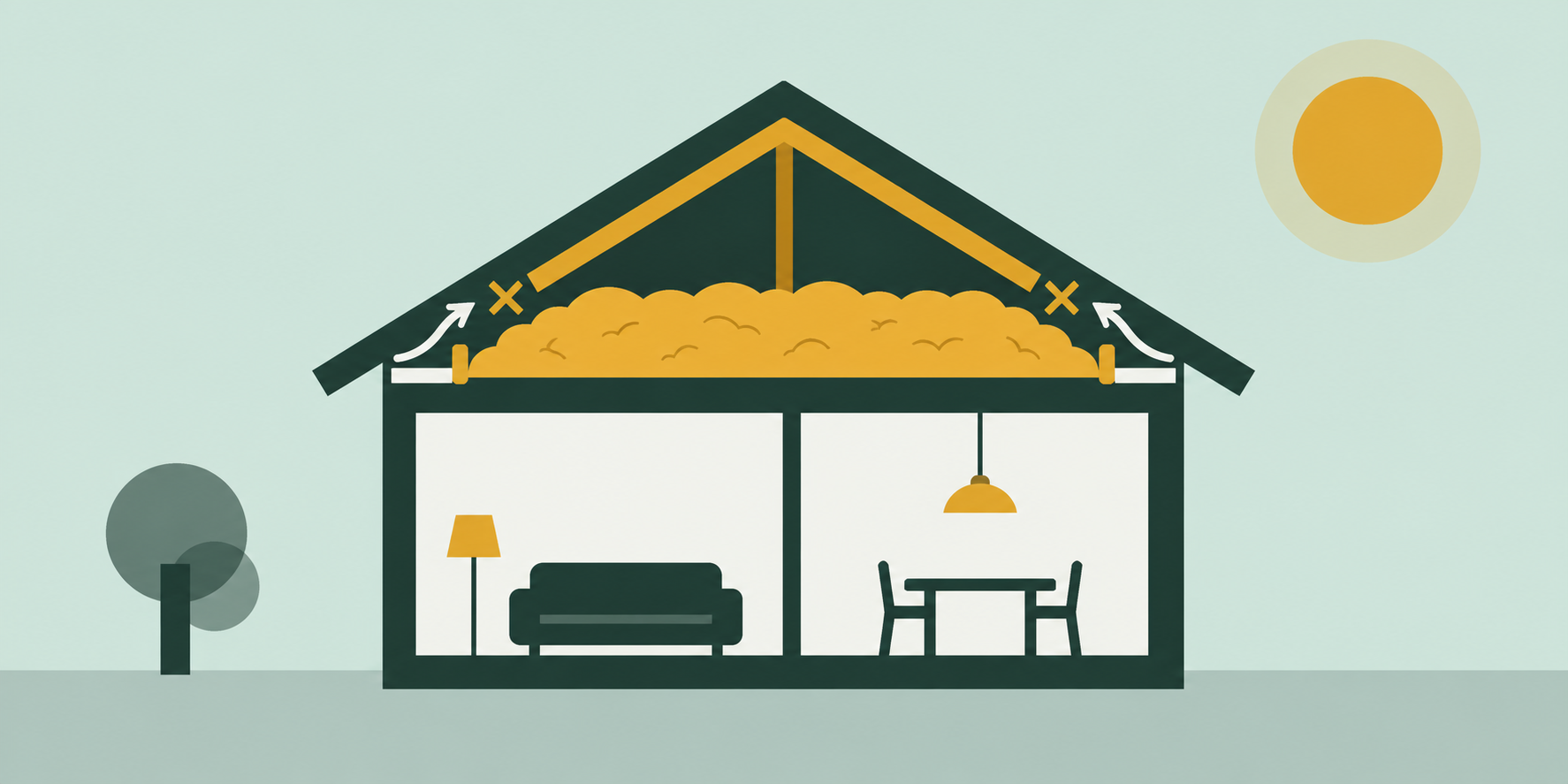
Cost: low to moderate. Payback: usually the fastest.
Warm air leaking out in winter and in during summer is one of the biggest sources of wasted energy. Sealing gaps around pipes, wires, attic hatches, recessed lights and the rim of the basement, then adding insulation to the attic, tackles it directly. The US Environmental Protection Agency estimates that sealing air leaks and adding insulation can save an average of around 15 percent on heating and cooling costs, though your result depends on how leaky your house starts out.
Recommended attic insulation levels depend on your climate zone, and they run from roughly R-30 in warm areas to R-60 in the coldest. Your audit or the Department of Energy's zone map will show your target.
2. Smart or programmable thermostat
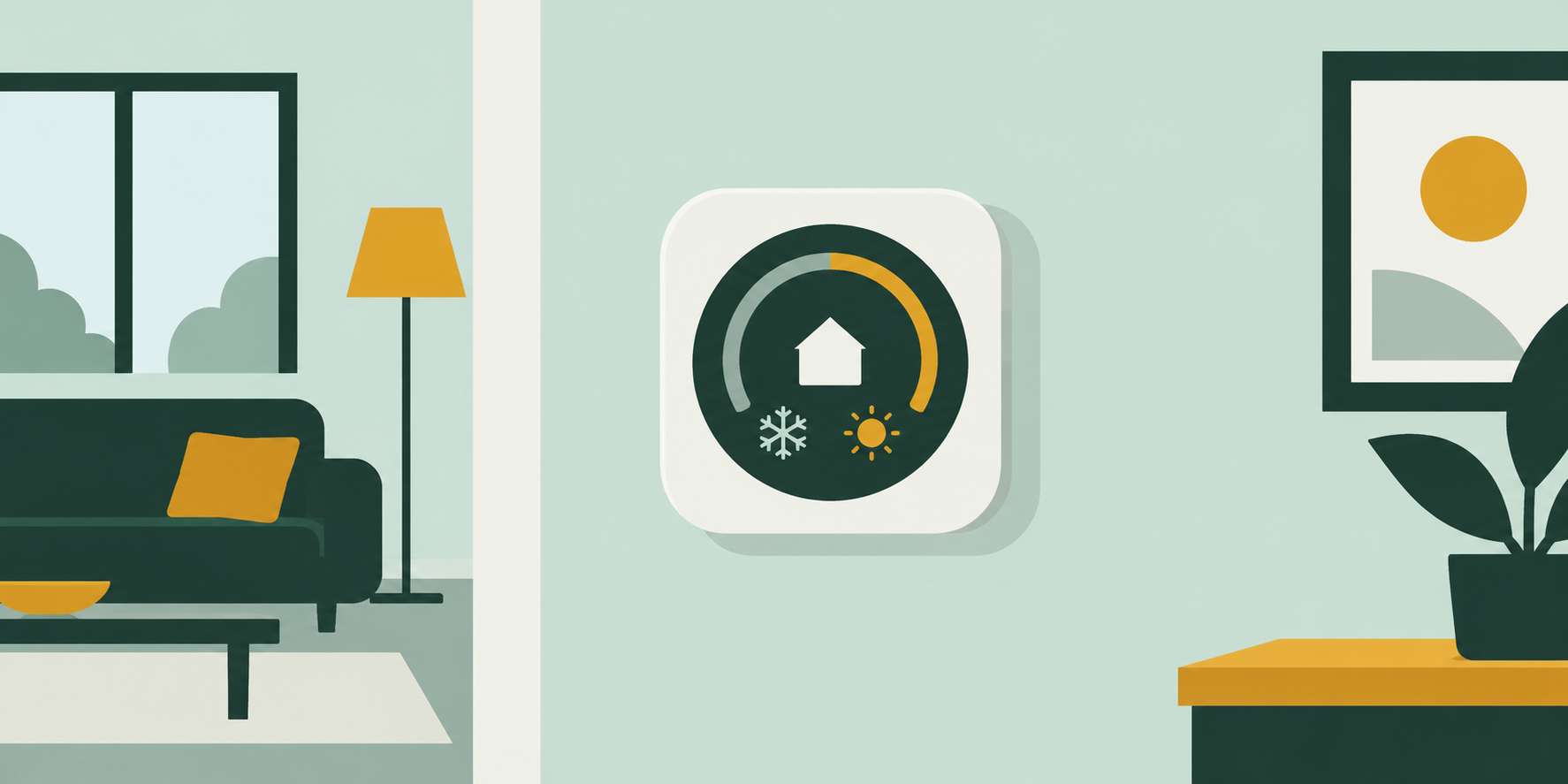
Cost: low. Payback: often within a couple of years.
A thermostat that lowers the temperature when nobody is home saves energy without any change in comfort. ENERGY STAR estimates savings of around 8 percent on heating and cooling for certified smart models, though the result depends on how you use it. It works best with a standard heating and cooling system and is less useful with some heat pumps, so check compatibility first.
3. LED lighting
Cost: very low. Payback: months.
LED bulbs use at least 75 percent less energy than old incandescent bulbs and last many times longer, according to the Department of Energy. If you still have older bulbs, replacing the ones you use most is the cheapest upgrade you can make.
4. Water heating
Cost: low to high. Payback: varies.
Start with the cheap steps: set the water heater to about 120°F, insulate the hot water pipes you can reach, and fit low-flow showerheads. When the tank needs replacing anyway, a heat pump water heater is worth a close look. It's roughly three times as efficient as a standard electric tank, so it can cut hot water costs substantially, especially if you're replacing an electric resistance unit. Check the installation space, since it needs room and airflow.
5. Duct sealing and insulation
Cost: moderate. Payback: good if your ducts run through an attic or crawl space.
Leaky or uninsulated ducts can lose a large share of the heated or cooled air before it reaches a room. Professional duct sealing and insulation often pay back quickly in houses with ducts in unconditioned spaces.
6. Wall, floor and basement insulation
Cost: moderate to high. Payback: medium to long.
Adding insulation to walls and floors helps, but it's harder and more expensive than the attic, because the work happens inside finished spaces. It makes the most sense when you're already opening the walls for a renovation, or when your audit shows very little insulation.
7. Heat pumps for heating and cooling
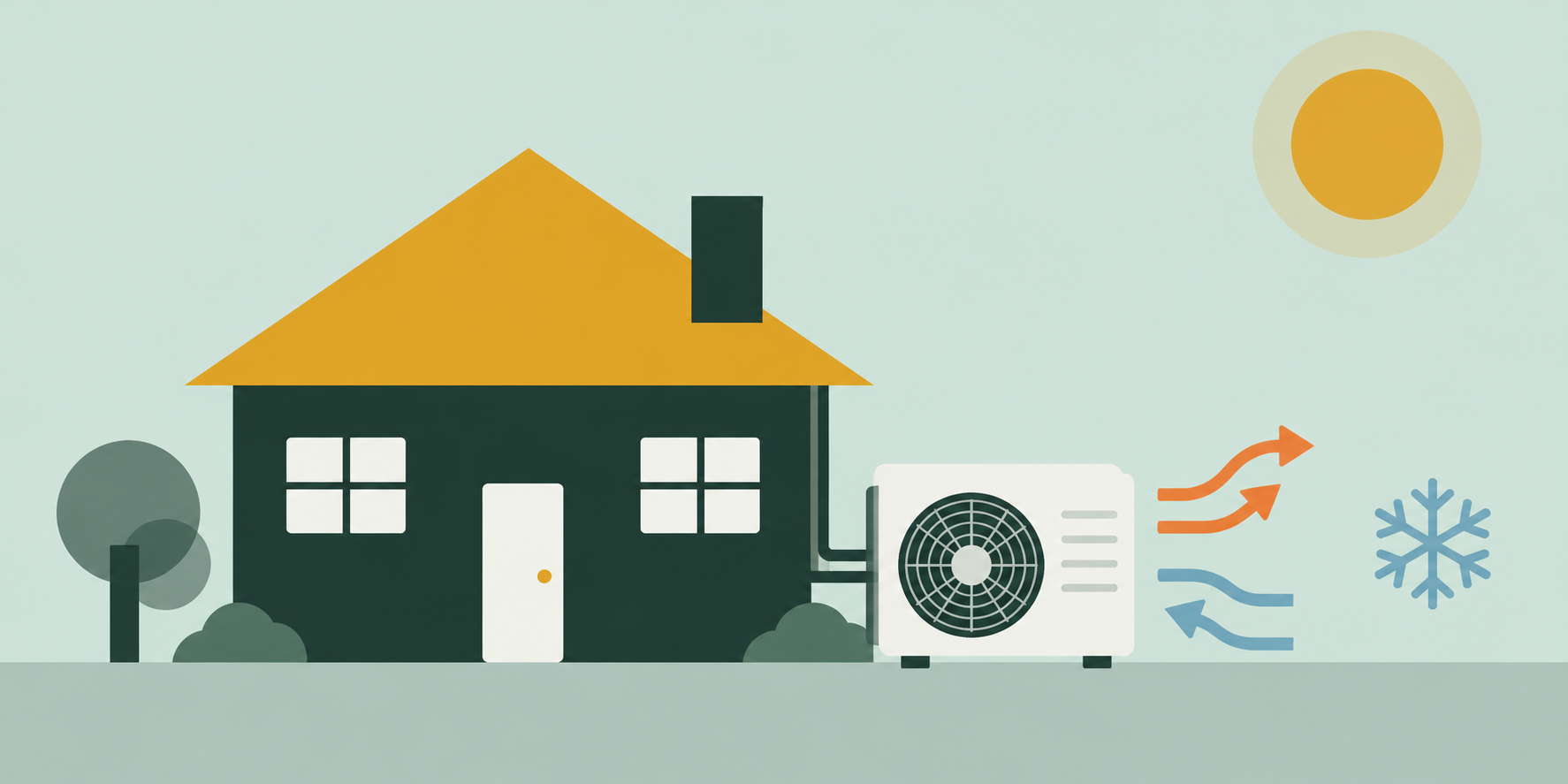
Cost: high. Payback: depends heavily on what you replace.
A heat pump moves heat instead of making it, so it can deliver several units of heating for each unit of electricity. That makes it a strong choice if you're replacing electric resistance heat, oil or propane, or if you need a new air conditioner anyway and can get both functions in one system. Against cheap natural gas, the savings can be smaller, and in very cold regions you'll want a model designed for cold climates. Make sure the system is sized properly, since oversized equipment wastes money and wears out sooner.
8. Windows
Cost: high. Payback: usually the slowest.
New windows improve comfort and reduce noise, and good ones help with drafts. But replacing them only for energy savings rarely pays for itself, as the example earlier showed. If your windows are still sound, cheaper steps get you most of the benefit: weatherstripping and caulk, storm windows, insulating curtains or cellular shades, and window film. Replace windows when they're rotting, failing or broken, and choose efficient models when you do.
9. Solar panels
Cost: very high. Payback: highly variable.
Solar can make sense with high electricity prices, a good roof and strong sun, but the numbers vary greatly from state to state. The rules your utility uses to credit you for extra power matter a great deal and have changed in several states. The federal tax credit for home solar also no longer applies to systems bought after 2025 (see the next section), so older estimates that assume it are out of date. Get several quotes, ask for the assumptions behind each savings estimate, and be cautious with long contracts and aggressive salespeople.
What incentives are available now
This part has changed recently, so check carefully.
The federal tax credits ended. Congress ended the Energy Efficient Home Improvement Credit and the Residential Clean Energy Credit for improvements placed in service and expenses paid after December 31, 2025. If you're planning a 2026 project, don't count on a federal tax credit.
If you did a qualifying project in 2025 and didn't claim the credit, a tax professional can tell you whether amending your return makes sense.
State and utility programs are still the main source of help. Many offer rebates for insulation, heat pumps, heat pump water heaters and efficient appliances. The DSIRE database (dsireusa.org) lists incentives by state, and your utility's website and your state energy office are good places to check.
Weatherization assistance is available to some lower-income households through the federal Weatherization Assistance Program, run by your state.
Federal home energy rebate programs are run by individual states, and their availability and rules differ, so ask your state energy office what is open.
Rebates often have rules: a participating contractor, equipment that meets a certain standard, or approval before you buy. Read the conditions before you sign a contract, not after.
The best order to do things
The sequence matters as much as the list.
Get an energy audit so you know where the biggest losses are.
Air seal and insulate first. Reducing how much heating and cooling the house needs comes before everything else.
Fix the ducts, if you have them in the attic or crawl space.
Then replace equipment. A tighter house needs a smaller, cheaper heating and cooling system, so size it after the work above is done, not before.
Consider solar last. The less energy you use, the smaller the system you need to cover it.
Tip: If your furnace or air conditioner is nearly dead, you may not be able to wait. In that case ask the installer to size the new system for the house as it will be after air sealing and insulation, and ask about heat pump options.
Mistakes to avoid
Replacing windows first because they're the most visible upgrade.
Oversizing new equipment. Bigger isn't better, since it cycles on and off and wears out sooner.
Sealing the house without thinking about ventilation and safety. A tighter house needs fresh air, and any home with gas, oil or wood-burning appliances should have them checked, along with working carbon monoxide alarms.
Skipping permits and licensing checks. Confirm that contractors are licensed and insured, and pull permits where they're required.
Falling for pressure sales. Door-to-door or "today only" deals, and promises of free equipment or huge savings, are a red flag.
Trusting one estimate. Compare several, and ask how each calculated its savings.
Frequently asked questions
What's the best first upgrade? For most houses, an energy audit followed by air sealing and attic insulation. It costs relatively little, and it makes every later upgrade work better.
Do smart thermostats really save money? They can, mainly by lowering the temperature when you're away. Savings depend on how you use the house and on your type of heating and cooling system.
Are heat pumps good in cold climates? Modern cold-climate models work well in many cold regions, but performance and costs vary. Ask installers for the expected performance at your area's winter design temperature.
Is solar worth it without the federal tax credit? It can be in places with high electricity rates and good net metering rules, but the payback is longer than it used to be. Run the numbers using current quotes and your utility's current rules.
Do energy upgrades raise my home's value? Some studies suggest efficient homes can sell for a premium, but the evidence varies and depends on the market. Don't count on resale value to justify an upgrade. Treat it as a possible bonus.
How long does payback take? From months for LED bulbs and thermostats, to several years for air sealing and insulation, to decades for windows and sometimes solar. Your audit and quotes should give you a realistic estimate.
Quick checklist
Check your utility for a free or discounted energy audit.
Seal air leaks, then insulate the attic to the recommended level.
Switch the most-used bulbs to LEDs and consider a smart thermostat.
Lower the water heater to about 120°F and insulate accessible hot water pipes.
Have ducts in the attic or crawl space sealed and insulated.
Replace equipment only after the house has been tightened, and size it properly.
Get three written quotes and ask how the savings were calculated.
Check state and utility rebates before you buy.
Treat windows and solar as longer-term decisions, and run the numbers first.
Sources and further reading
Programs and prices change, so confirm current details with the official sources below.
US Department of Energy (home energy audits, insulation and savings tips): energy.gov
ENERGY STAR (certified products, thermostats, heat pumps and water heaters): energystar.gov
US Environmental Protection Agency (sealing and insulating): epa.gov
DSIRE Database of State Incentives for Renewables and Efficiency: dsireusa.org
Internal Revenue Service (status of energy credits, Form 5695 for 2025 claims): irs.gov
Your state energy office and your electric or gas utility, for local rebates
Note: This article is general information, not financial, tax, legal or engineering advice. Savings and costs depend on your home, location and energy prices. Speak to a qualified energy auditor, contractor or tax professional about your situation.
Keep reading
What to look for on a house viewing: a 15-minute checklist
A 15-minute viewing-day routine for US home buyers: what to check, what to ask the seller, and the red flags that staging can hide.

How much down payment do you really need to buy a house in the US?
You don't need 20 percent down. Compare conventional, FHA, VA and USDA down payments, what each costs, and how to choose the right one.
BuyingFixed or variable? How to choose your mortgage rate
The trade between certainty and flexibility.