How much down payment do you really need to buy a house in the US?
You don't need 20 percent down. Compare conventional, FHA, VA and USDA down payments, what each costs, and how to choose the right one.
The idea that you need 20 percent down to buy a house is one of the most common and most expensive myths in home buying. It stops people from applying, and it makes others drain their savings to hit a number they didn't need to hit.
The real answer is that the minimum depends on the type of loan you use, and the best amount depends on your budget, your savings and how long you plan to stay. This guide explains each loan type, what a down payment actually costs you, and how to decide how much to put down.
The short answer
For a typical US home loan, the minimum down payment is:
Conventional loan: as little as 3 percent with certain first-time buyer and low-income programs, and 5 percent is common for standard conventional loans.
FHA loan: 3.5 percent if your credit score is 580 or higher, and 10 percent if it falls between 500 and 579.
VA loan: 0 percent for eligible veterans, active-duty service members and some surviving spouses.
USDA loan: 0 percent for eligible buyers in eligible rural and some suburban areas, with income limits.
Putting 20 percent down is a goal worth knowing about, because it avoids private mortgage insurance on a conventional loan. It is not a requirement.
Tip: A lender's minimum is a floor, not advice. Work out what you can afford each month and what you want left in savings before you decide how much to put down.
What a down payment looks like in dollars
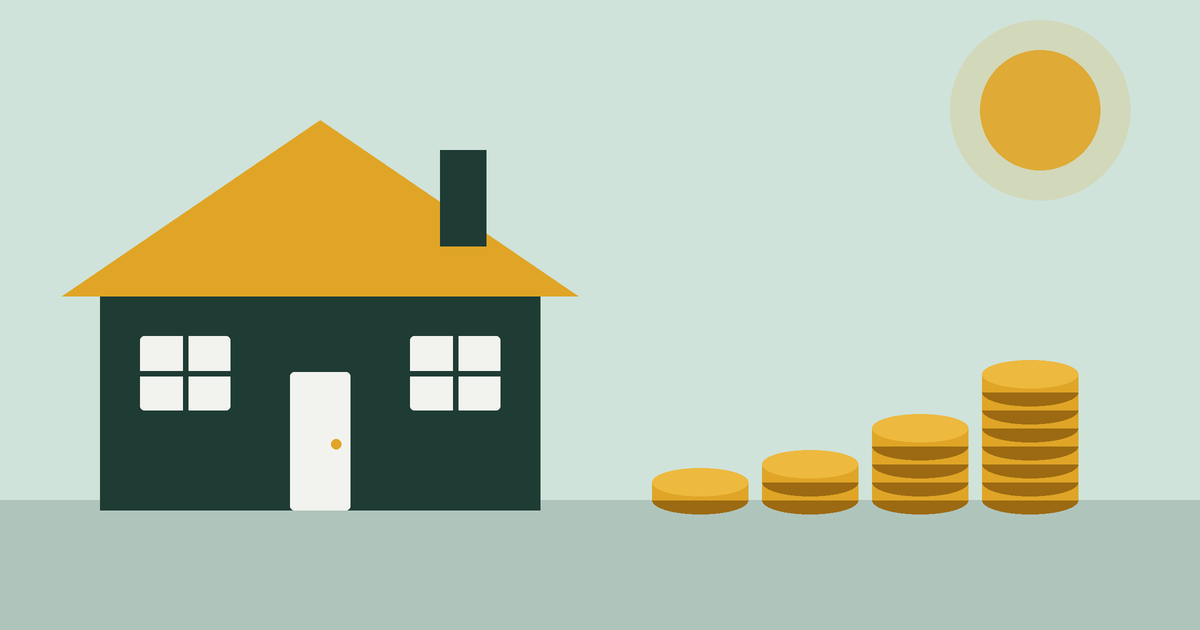
Take a $350,000 home. These figures are examples only:
3 percent down: $10,500, borrowing $339,500
3.5 percent down: $12,250, borrowing $337,750
5 percent down: $17,500, borrowing $332,500
10 percent down: $35,000, borrowing $315,000
20 percent down: $70,000, borrowing $280,000
The more you put down, the less you borrow, so your monthly payment and the total interest you pay both fall. The gap between 5 and 20 percent on this home is $52,500 up front, which is a lot of money to find before you've even paid closing costs.
Loan types and their down payments
Conventional loans
These aren't backed by a government agency, and most follow the rules set by Fannie Mae and Freddie Mac. Programs such as Fannie Mae's HomeReady and Freddie Mac's Home Possible allow as little as 3 percent down for buyers who meet income or first-time buyer requirements.
Lenders usually look for a credit score of around 620 or higher. If you put down less than 20 percent, you'll normally pay private mortgage insurance (PMI), which protects the lender if you stop paying. Conventional PMI can be cancelled later, which makes this loan attractive for buyers with solid credit.
FHA loans
These are insured by the Federal Housing Administration and designed for buyers with smaller savings or lower credit scores. You can put down 3.5 percent with a score of 580 or higher.
FHA loans charge mortgage insurance premiums (MIP) in two ways: an upfront premium that is usually rolled into the loan, and an annual premium paid monthly. With less than 10 percent down, the annual premium typically lasts for the life of the loan, so many buyers refinance later. With 10 percent or more down, it generally lasts 11 years. Check the current rules with a lender, because HUD updates them.
VA loans
Backed by the Department of Veterans Affairs, these let eligible veterans, service members and some surviving spouses buy with no down payment and no monthly mortgage insurance. There is usually a one-time funding fee, which can be rolled into the loan and is waived for some borrowers, such as those receiving VA disability compensation.
If you're eligible, a VA loan is often the cheapest way to buy with little money down. You need a Certificate of Eligibility, which a lender or the VA can help you obtain.
USDA loans
The US Department of Agriculture backs loans for homes in eligible rural areas, and some of these areas are closer to cities than people expect. There's no down payment requirement, but both the property location and your household income must meet USDA limits. You'll pay an upfront guarantee fee and an annual fee.
Jumbo and investment loans
Loans above the conforming loan limit (a figure that changes each year and varies by county) are called jumbo loans, and lenders usually ask for 10 to 20 percent down and stronger credit. Buying a second home or an investment property also typically needs more, often 10 to 25 percent, because lenders see more risk.
What a bigger down payment gets you
Putting more down is not always better, but it does bring real advantages:
A smaller loan and lower monthly payment. Less borrowed means less to repay every month.
No PMI at 20 percent on a conventional loan. That can save hundreds of dollars a month on some loans.
Possibly a better interest rate. Lenders often price lower loan-to-value ratios more favorably.
More equity from day one. This gives you a cushion if prices dip.
A stronger offer. In competitive markets, sellers may see a larger down payment as safer.
What it costs you to put down more
Less cash in the bank. Emptying your savings to hit a number can leave you stuck if the water heater fails or you lose income.
Slower progress on other goals. The money might do more elsewhere, such as paying off high-interest debt.
Less flexibility. Cash in your home is hard to get out quickly.
A common mistake is to scrape together 20 percent and then have nothing left for repairs and moving costs. Many advisers suggest keeping an emergency fund of several months of expenses after you buy.
Costs beyond the down payment
The down payment is only one part of the cash you need. You'll also pay:
Closing costs, which are often around 2 to 5 percent of the purchase price and cover lender fees, appraisal, title insurance, escrow and prepaid taxes and insurance.
Earnest money, a deposit you make when your offer is accepted. It is usually credited toward your down payment or closing costs at closing.
Inspection and appraisal fees.
Moving costs and immediate repairs.
Reserves, which some lenders require, meaning a number of months of mortgage payments left in your accounts after closing.
Ask a lender for a Loan Estimate early on. It's a standard form that itemizes the costs, so you can compare lenders on the same terms.
Where the money can come from
You can use more than just savings for a down payment, but each source has rules:
Gift funds. Many loan types let a family member give you money for a down payment. Lenders require a signed gift letter and documentation showing the funds came from the donor and don't need to be repaid.
Down payment assistance programs. State and local housing finance agencies, and some nonprofits and employers, offer grants, forgivable loans or low-interest second loans. Programs often have income limits, purchase price limits and homebuyer education requirements. Search for your state's housing finance agency.
Retirement accounts. Some 401(k) plans allow loans, and an IRA withdrawal for a first-time home purchase is exempt from the 10 percent early withdrawal penalty up to a $10,000 lifetime limit, though income tax may still apply. Borrowing from retirement carries real long-term costs, so speak to a tax professional first.
Sale of another asset or a prior home.
Tip: Lenders look closely at where your down payment came from. Avoid large, unexplained deposits in the months before you apply, and keep statements for every account you plan to use.
How to decide how much to put down
Check your budget first. Work out the total monthly cost you can sustain, including taxes, insurance and maintenance, not only the loan payment.
Keep a safety cushion. Decide how much emergency savings you want to keep after closing, and subtract that from your available cash.
Compare loan types. Ask a lender to show a conventional, an FHA and, if you qualify, a VA or USDA option side by side, with the monthly payment and total cost for each.
See what 20 percent would save. Ask what the PMI or MIP would cost each month and how long you'd pay it. Compare that with what the extra cash could do elsewhere.
Consider how long you'll stay. If you may move in a few years, a smaller down payment with a higher monthly cost might still make sense.
Use a calculator. Try different down payments on the repayment calculator on this site to see how the monthly cost changes.
Frequently asked questions
Is 20 percent down ever necessary? It isn't required for most loans. It's the usual point where conventional lenders stop requiring PMI, and jumbo or investment loans may expect it or more.
Can I buy a house with no money down? Yes, if you qualify for a VA or USDA loan, or for some down payment assistance programs. You'll still need money for closing costs and moving unless the seller contributes or you receive assistance.
Does a bigger down payment help me win a bidding war? It can, because it signals financial strength, but sellers also weigh the price, your financing type, contingencies and closing date.
Will I always pay PMI with less than 20 percent down? On a conventional loan, usually yes, but you can ask to cancel it once your loan balance reaches 80 percent of the home's original value, and it must end automatically at 78 percent under federal law if you're current on payments. FHA mortgage insurance follows different rules, as explained above.
Should I use my savings for a bigger down payment or keep them as a cushion? Many people find that keeping an emergency fund matters more than reaching a particular percentage. The right balance depends on your job stability, other debts and how much risk you can handle.
Sources and further reading
Rules and limits change, so confirm current details with a lender and the official sources below.
Consumer Financial Protection Bureau: consumerfinance.gov (home buying guides and the Loan Estimate form)
US Department of Housing and Urban Development (FHA loans): hud.gov
US Department of Veterans Affairs (VA home loans): va.gov
USDA Rural Development (eligibility and income limits): rd.usda.gov
Fannie Mae and Freddie Mac (HomeReady and Home Possible programs): fanniemae.com, freddiemac.com
Your state housing finance agency, for down payment assistance
Note: This article is general information, not financial, legal or tax advice. Loan terms, fees and eligibility vary by lender and change over time. Speak to a licensed mortgage professional about your situation.
Keep reading
What to look for on a house viewing: a 15-minute checklist
A 15-minute viewing-day routine for US home buyers: what to check, what to ask the seller, and the red flags that staging can hide.
BuyingFixed or variable? How to choose your mortgage rate
The trade between certainty and flexibility.
Energy upgrades that pay for themselves, ranked by payback
Which home energy upgrades actually save money? A US guide to air sealing, insulation, heat pumps, windows and solar, ranked by how fast they pay back.